
Irgendwann in der ersten Woche sagt fast jeder trauernde Tierhalter denselben Satz: „Ich weiß, es klingt albern, aber …“ Es ist nicht albern. Sie haben Ihr Zuhause, Ihren Alltag und fünfzehntausend kleine Momente mit einem Wesen geteilt, das sich ehrlich und unkompliziert darüber gefreut hat, dass es Sie gibt. Forschung zur Bindung zeigt immer wieder, dass der Verlust eines Haustieres so tief betrauert werden kann wie der Verlust eines Angehörigen – und anders als bei anderen Verlusten kommt er oft mit einer Entscheidung, die Sie selbst treffen mussten, und mit einer Welt, die erwartet, dass am Montag alles wieder gut ist.
Dieser Ratgeber ist für die Tage und Monate danach. Er erklärt, warum dieser Verlust so wehtut, wie normale Trauer aussieht, wie Sie mit Schuldgefühlen leben können, welche kleinen praktischen Aufgaben einen unvorbereitet treffen, wie Sie Kindern und den anderen Tieren im Haus helfen, wie Sie einen anderen trauernden Menschen begleiten – und wann es sinnvoll ist, sich mehr Hilfe zu holen.
Warum der Verlust eines Tieres so wehtut
Ein Teil des Schmerzes liegt in der Form der Beziehung selbst. Ein Haustier ist in den ganzen Tag eingewoben: der Wecker, der eigentlich eine Pfote im Gesicht war, der Spaziergang, der Ihren Morgen strukturierte, das warme Gewicht auf Ihren Füßen am Abend. Wenn es stirbt, wird jeder dieser Momente zu einer kleinen, wiederkehrenden Erinnerung. Viele sagen, die Stille im Haus sei das Schwerste.
Seine Zuneigung war zudem besonders einfach. Es hat Ihren Beruf, Ihr Aussehen und Ihre schlechten Tage nicht bewertet. Für viele Menschen – Alleinlebende, ältere Menschen, Menschen mit Krankheit oder Depression – ist ein Haustier der beständigste Begleiter, den sie haben. Und wenn Ihr Tier krank war, waren Sie wahrscheinlich auch seine Pflegekraft: Sie haben Medikamente gegeben, sauber gemacht, Entscheidungen getroffen. Der Verlust dieser Rolle hinterlässt eine Lücke im Tag, nicht nur im Herzen.
Trauer, die andere nicht sehen
Psychologen sprechen von aberkannter Trauer, wenn ein Verlust vom Umfeld nicht wirklich anerkannt wird. Der Verlust eines Haustieres ist ein klassisches Beispiel. Es gibt keinen Sonderurlaub, niemand bringt einen Eintopf vorbei, und manchmal fällt eine gedankenlose Bemerkung: „Du kannst dir doch ein neues holen.“ Trauer, die nicht anerkannt wird, geht oft in den Untergrund und dauert länger. Ein Teil der Heilung besteht einfach darin, sich zu erlauben, richtig zu trauern.
Wie normale Trauer aussieht
Trauer ist keine Treppe, die man der Reihe nach hinaufsteigt. Sie kommt in Wellen: beim Frühstück noch gefasst, mittags überwältigt von einem leeren Napf. All das liegt im Rahmen des Normalen:
- mehr weinen als erwartet – oder weniger;
- wochenlang das Klicken der Krallen auf dem Boden hören oder das Tier aus dem Augenwinkel zu sehen glauben;
- aus Gewohnheit nach der Leine greifen oder zwei Näpfe hinstellen;
- den Park meiden – oder täglich hingehen;
- Müdigkeit, schlechter Schlaf, Enge in der Brust oder kein Appetit;
- Konzentrationsprobleme bei der Arbeit;
- Schuldgefühle, die den letzten Tag immer wieder abspielen;
- Erleichterung, wenn die letzten Monate schwer waren – gefolgt von Schuldgefühlen wegen der Erleichterung.
Das Letzte verdient einen eigenen Satz: Erleichterung nach einer langen Krankheit ist kein Verrat. Sie ist das Durchatmen eines Menschen, der lange etwas Schweres getragen hat.
Rechnen Sie an bestimmten Tagen mit mehr Schmerz: das erste Heimkommen in ein stilles Haus, die ersten Feiertage, der erste Spaziergang ohne das Tier, sein Geburtstag oder der Tag, an dem es zu Ihnen kam, und der Jahrestag seines Todes. Wenn Sie wissen, dass diese Tage kommen, treffen sie Sie etwas weniger unvorbereitet.
Mit Schuldgefühlen und „Was wäre, wenn“ leben
Schuldgefühle gehören zu den häufigsten und schmerzhaftesten Seiten der Trauer um ein Tier. Hätte ich es nur früher bemerkt. Hätte ich nur noch eine Behandlung versucht. Hätte ich mich nur nicht für das Einschläfern entschieden – oder nicht so lange gewartet.
Ein paar Dinge sind es wert, festgehalten zu werden. Im Rückblick haben Sie Informationen, die Sie damals nicht hatten; Sie haben mit Ihrem damaligen Wissen entschieden, und fast immer aus Liebe. Tiere verbergen Krankheiten so gut, dass selbst Tierärzte oft überrascht sind. Und wenn Sie sich für das Einschläfern entschieden haben, haben Sie die schwerste Verantwortung übernommen, die ein Tierhalter tragen kann, damit Ihr Gefährte nicht leiden musste. Unser Ratgeber dazu, woran man erkennt, dass es Zeit ist, erklärt, warum diese Entscheidung ein Akt der Fürsorge ist und kein Versagen.
Wenn eine bestimmte Frage immer wieder kreist, schreiben Sie sie auf und fragen Sie Ihre Tierärztin oder Ihren Tierarzt. Viele sprechen gern über das, was passiert ist, und eine klare Antwort kann eine Schleife beenden, die die Fantasie immer weiter nährt.
Wenn der Verlust plötzlich kam
Ein Tier durch einen Unfall, eine plötzliche Krankheit oder ein Verschwinden zu verlieren, kann zur Trauer noch einen Schock hinzufügen: Bilder, die sich wiederholen, Wut oder ein Gefühl der Unwirklichkeit. Seien Sie besonders behutsam mit sich, und sprechen Sie lieber früher als später mit jemandem, wenn die Bilder lebendig bleiben oder Sie sich lange wie betäubt fühlen.
Kleine Rituale helfen mehr als große Ratschläge
Trauer braucht einen Ort. Geben Sie ihr einen:
- Schreiben Sie Ihrem Tier einen Brief und sagen Sie das, was Ihnen immer wieder fast über die Lippen kommt.
- Rahmen Sie das eine Foto, auf dem es am meisten es selbst ist.
- Stellen Sie eine Erinnerungskiste zusammen: Halsband, Marke, ein Büschel Fell, den Pfotenabdruck, ein Lieblingsspielzeug.
- Zünden Sie jeden Monat am Todestag eine Kerze an, solange es Ihnen guttut.
- Pflanzen Sie etwas – einen Baum, eine Rose, ein Fleckchen im sonnigen Garten, den es so liebte – und lassen Sie es den Ort markieren.
- Erstellen Sie eine Gedenkseite – still, bleibend, nur für Ihr Tier – und lassen Sie Familie in der Ferne sie besuchen. Die Gedenkseiten anderer Familien auf der Mauer der Erinnerung zu lesen, kann daran erinnern, dass Sie nicht allein sind.
- Wenn Sie bereit sind, spenden Sie in seinem Namen einen Sack Futter oder eine Decke an ein Tierheim.
Es gibt kein richtiges Ritual und keine Frist. Wenn etwas hilft, machen Sie weiter; wenn es nicht mehr hilft, lassen Sie es los.
Die praktischen Aufgaben, über die niemand spricht
In den ersten Wochen warten kleine Formalitäten, die einen unvorbereitet treffen können. Sie bewusst zu erledigen, vielleicht gemeinsam mit einem Freund, ist leichter, als zufällig darüber zu stolpern:
- Melden Sie den Tod bei der Haustierregistrierung (z. B. dem Register für den Mikrochip) und kündigen Sie die Tierversicherung, damit keine Erinnerungen oder Verlängerungen mehr kommen.
- Kündigen Sie regelmäßige Futter- oder Medikamentenlieferungen und eventuelle Gesundheitspläne der Praxis.
- Bitten Sie Ihre Tierarztpraxis, das Tier in der Akte als verstorben zu vermerken, damit keine automatischen Impferinnerungen mehr kommen.
- Entscheiden Sie, was mit den Medikamenten geschieht – Ihre Praxis kann sie sicher entsorgen.
- Lassen Sie sich mit Körbchen, Näpfen und Spielzeug Zeit. Manche räumen sie schnell weg, andere lassen sie monatelang stehen. Beides ist in Ordnung.
Kinder und die anderen Tiere im Haus
Für viele Kinder ist es die erste Begegnung mit dem Tod – und wie sie erlebt wird, wird zu ihrem Vorbild. Verwenden Sie ehrliche Worte: gestorben, nicht weggegangen (kleine Kinder warten sonst vielleicht, oder bekommen Angst vor dem Schlafen, wenn das Tier „eingeschläfert“ wurde). Lassen Sie sie sehen, dass Sie traurig sind; so lernen sie, dass Liebe und Trauer zusammengehören.
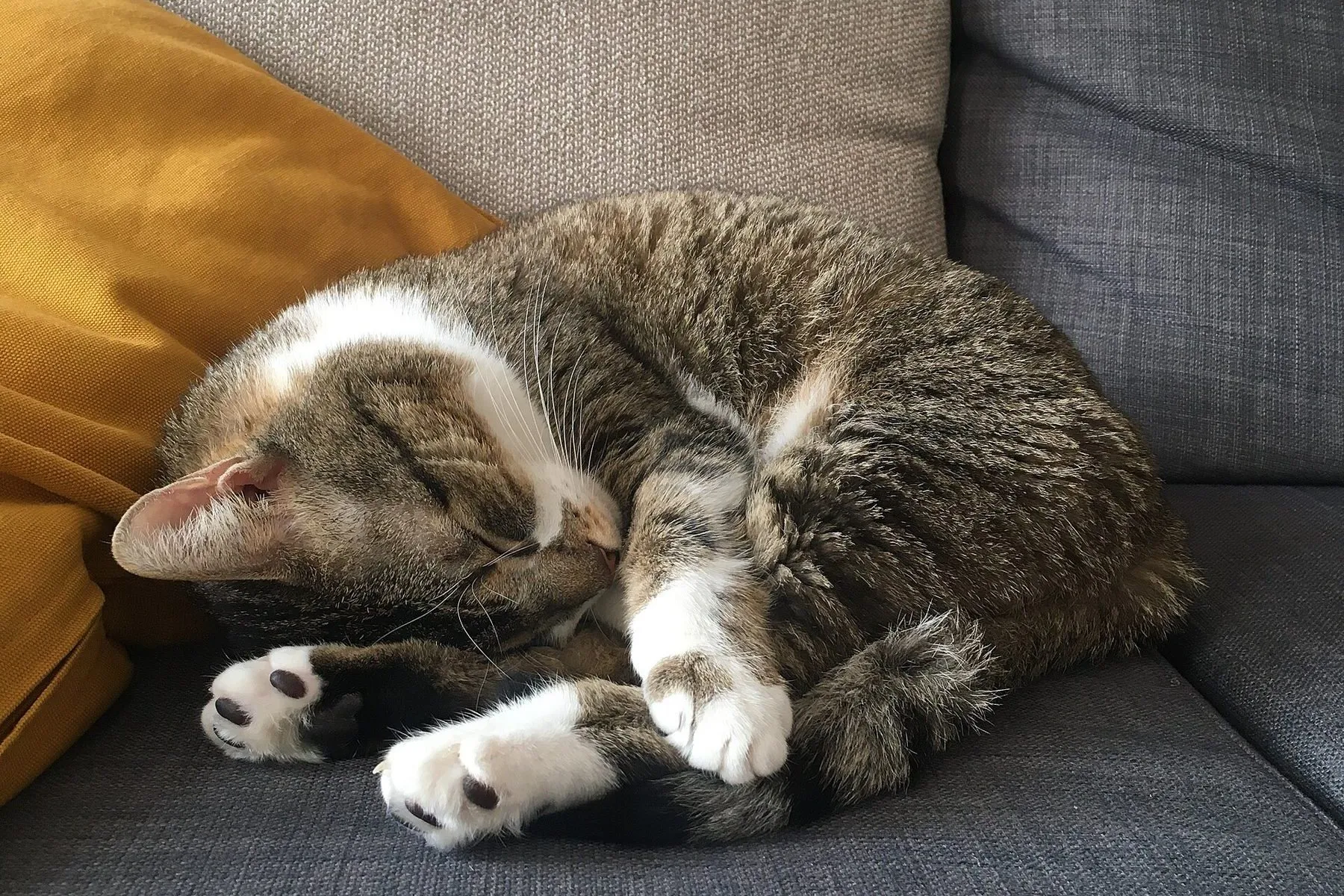
Kinder nach Alter
- Unter fünf Jahren verstehen Kinder oft noch nicht, dass der Tod endgültig ist, und stellen dieselben Fragen viele Male. Antworten Sie einfach und gleichbleibend, und halten Sie den Alltag stabil.
- Zwischen fünf und neun verstehen Kinder, dass der Tod endgültig ist, glauben aber vielleicht, sie seien schuld, oder fürchten, dass auch andere Menschen und Tiere sterben. Beruhigen Sie sie klar und laden Sie sie zu Fragen ein.
- Ältere Kinder und Jugendliche verstehen alles und trauern oft heftig, aber für sich. Bieten Sie Nähe an, ohne Gespräche zu erzwingen, und beziehen Sie sie in Entscheidungen wie die Gedenkseite ein.
Beziehen Sie Kinder in ein kleines Ritual ein – ein Bild malen, ein Foto aussuchen, eine Blume pflanzen, ein paar Worte für die Gedenkseite schreiben. Informieren Sie Lehrer und Erzieher, damit eine plötzliche Träne im Unterricht mit Freundlichkeit aufgefangen wird.
Die verbliebenen Tiere
Auch verbliebene Tiere trauern, auf ihre Weise: Sie suchen die Räume ab, rufen, fressen weniger, schlafen auf dem Platz des fehlenden Gefährten oder werden anhänglicher. Halten Sie ihre Routinen stabil, schenken Sie ihnen mehr ruhige Nähe und Spiel, und geben Sie ihnen Zeit. Die meisten finden innerhalb einiger Wochen zu einem neuen Gleichgewicht. Wenn ein Tier länger als ein, zwei Tage nicht frisst oder krank wirkt, gehen Sie zur Tierarztpraxis – Trauer kann belasten, aber es kann auch eine Krankheit dahinterstecken.
Wie Sie jemanden begleiten, der um ein Tier trauert
Wenn ein Freund oder Verwandter sein Tier verloren hat, zählen kleine Gesten mehr als perfekte Worte:
- Nennen Sie das Tier beim Namen und sagen Sie, dass es Ihnen leidtut. „Es tut mir so leid um Max“ bedeutet mehr als jede allgemeine Floskel.
- Teilen Sie eine Erinnerung, wenn Sie eine haben. Menschen hören sehr gern, dass auch andere ihr Tier bemerkt und gemocht haben.
- Vermeiden Sie Ersatz und Vergleiche – „Du kannst dir doch ein neues holen“ oder „Es war doch nur ein Hund“ sind die Sätze, an die sich Menschen jahrelang erinnern.
- Bieten Sie etwas Konkretes an, zum Beispiel ein Essen vorbeizubringen oder in der ersten Woche ohne den Hund gemeinsam spazieren zu gehen.
- Denken Sie an den Jahrestag. Eine kurze Nachricht ein Jahr später zeigt, dass der Verlust echt war.
Wann Sie sich mehr Unterstützung holen sollten
Trauer sollte weicher werden – langsam, ungleichmäßig, aber spürbar. Denken Sie über ein Gespräch mit einer Fachkraft nach, wenn Sie nach ein, zwei Monaten merken, dass die Trauer Ihren Schlaf, Ihre Arbeit, Ihr Essen oder Ihre Beziehungen beeinträchtigt; wenn Schuldgefühle nicht loslassen; oder wenn sich das Leben völlig flach anfühlt.
Unterstützung gibt es in vielen Formen. In vielen Ländern gibt es Beratungsangebote und Gesprächsgruppen für Menschen, die um ein Tier trauern, oft kostenlos und getragen von Menschen, die nie sagen würden: „Es war doch nur eine Katze.“ Viele Tierarztpraxen können Sie an Angebote in Ihrer Nähe verweisen. Online-Gruppen können helfen, wenn Sie lieber mit Fremden sprechen, die verstehen. Eine Therapeutin oder ein Therapeut kann helfen, wenn sich die Trauer mit anderen Verlusten oder einer Depression verbunden hat. Hilfe zu suchen bedeutet nicht, dass Sie falsch trauern; es bedeutet, dass Sie Ihre Trauer ernst nehmen.
Es gibt keinen Zeitplan. Sie sind nicht im Rückstand. Die Liebe endet nicht – sie zieht nur um, aus Ihrem Alltag in Ihre Erinnerung, und dort lebt sie ganz gut. Eines Tages, wenn es sich richtig anfühlt, ist vielleicht auch unser Ratgeber zur erneuten Adoption nach einem Verlust hilfreich.
Wenn Ihre Trauer unerträglich erscheint oder Sie daran denken, sich etwas anzutun, wenden Sie sich bitte sofort an die Telefonseelsorge, einen Krisendienst oder eine psychologische Fachkraft in Ihrem Land.



.jpg)
