
When a veterinarian gently asks “would you like a private or communal cremation?”, most people are hearing those words for the first time — at the exact moment they are least able to process new information. This guide explains everything in advance, so the decision never has to be made blind: the options and how they differ, what actually happens from collection to return, what drives the price, how to tell a trustworthy provider from a careless one, and what families do with the ashes afterwards.
If you are reading this because the end is near, you may also find our guide to knowing when it’s time helpful. Making aftercare decisions before the day is one of the kindest things you can do for yourself.
Cremation, burial, or something else?
Cremation is the most common choice for pets in many countries, but it isn’t the only one. It helps to know the whole landscape before narrowing down.
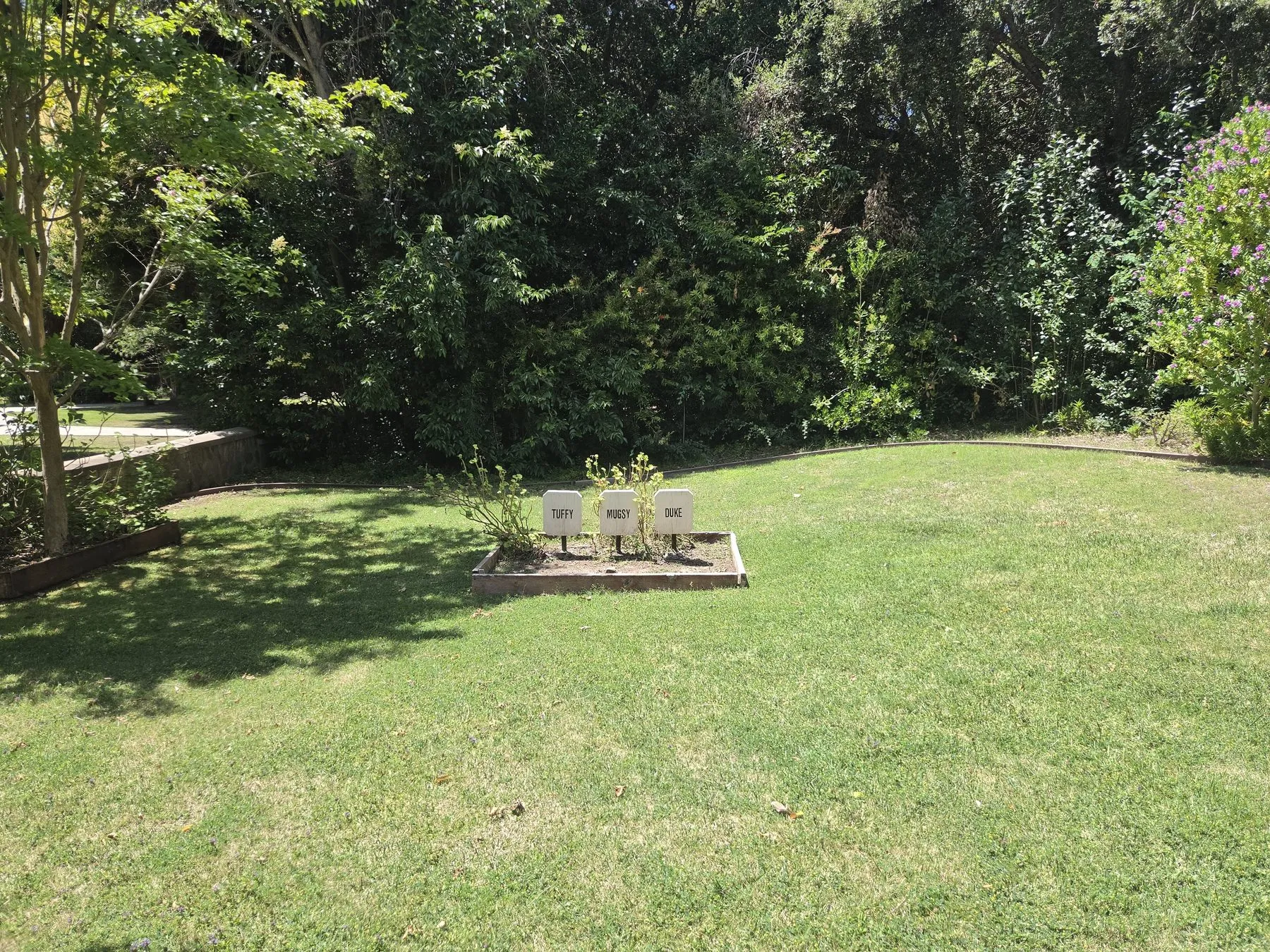
- Home burial is legal in some places and restricted in others, often depending on whether you own the land, the size of the animal, distance from water sources, and whether the pet was euthanised with drugs that could harm wildlife. Always check local rules, and bury deeply.
- A pet cemetery offers a permanent, maintained grave you can visit, sometimes with a headstone. It costs more than cremation and may involve an ongoing fee for the plot.
- Cremation turns the body to ashes that can be returned to you, kept, scattered or buried — which is why it suits families who move house or want to keep their pet close.
- Aquamation (alkaline hydrolysis) is a gentler, water-based alternative to flame cremation that a growing number of providers offer. It is legal in some regions but not others.
Our directory of pet end-of-life services lists pet cemeteries and crematoria by country, so you can see what is available near you.
The main cremation options
Private (individual) cremation means your pet is cremated alone, and the ashes returned to you are theirs and only theirs. Reputable providers use one animal per chamber and a tracking tag — usually a numbered metal disc that stays with your pet through the entire process. Private cremation costs more, and it is the right choice if receiving the ashes matters to you.
Communal cremation means several pets are cremated together and no ashes are returned. The remains are typically scattered or buried by the provider, often in a dedicated garden or woodland. This is a dignified, common, and significantly less expensive choice — grief does not weigh ashes, and choosing communal does not mean loving less.
Witnessed cremation is a private cremation where you may be present at the start, or wait on site and take the ashes home the same day. For some families this brings real closure; others prefer to remember their pet as they were in life. Both are valid.
Some providers also sell “partitioned” or “semi-private” cremation, where several animals share a chamber separated by barriers. The ashes returned are mostly, but not reliably only, your pet’s. If individual remains matter to you, ask plainly which kind you are buying.
| Private | Communal | Witnessed | |
|---|---|---|---|
| Your pet cremated alone | Yes | No | Yes |
| Ashes returned to you | Yes | No | Yes, often the same day |
| You can be present | Sometimes, on request | No | Yes |
| Relative cost | Medium to high | Lowest | Highest |
| Typical wait for ashes | 1–2 weeks | Not applicable | Same day |
If your pet dies at home
Not every goodbye is planned. If your pet dies at home, unexpectedly or in their sleep, there is no need to rush — you have time to sit with them and to call the people who should know.
- Confirm the death gently. Look for breathing and feel for a heartbeat behind the elbow. If you are unsure, call your vet; many have an out-of-hours line.
- Make them comfortable. Lay your pet on their side on a towel or blanket, with the legs gently tucked, and close the eyes if you can. The body will stiffen within a few hours, so do this early. It is normal for the bladder or bowels to empty.
- Keep them cool. Move your pet to the coolest room in the house, away from sunlight and radiators. A cool room is usually fine overnight; in hot weather, cool packs wrapped in towels help.
- Call your vet or a crematorium. Your clinic can arrange collection and cremation, or you can contact a provider directly. Many collect from home, some around the clock.
- Let the other animals say goodbye. Surviving pets often benefit from seeing and sniffing their companion’s body before it is collected.
If children are at home, tell them simply and honestly what has happened, and let them say goodbye in their own way — a drawing tucked into the blanket, a last stroke, or simply being nearby.
What happens, step by step
Collection. Your vet clinic usually works with a cremation partner and can arrange collection, or you can contact a crematorium directly — many collect from your home, sometimes out of hours. If your pet dies at home, wrap them in a blanket and keep the body somewhere cool while you make arrangements; a few hours is fine, and a cool room overnight is usually manageable.
Identification. A good provider records your pet’s details at collection and attaches an identifier that travels with them: a metal tag, a numbered card, or both. This is the backbone of trust in private cremation.
Cremation. The process takes from about one to a few hours depending on the size of the animal. Afterwards the remains are cooled, and any metal — surgical pins, microchips — is removed. What remains is bone, which is processed into the finer material families receive.
Return. Ashes from a private cremation are typically returned within one to two weeks, in a simple container or an urn you choose, often with a certificate of cremation. Some providers deliver; others ask you to collect from the clinic.
What comes back is coarser than most people expect, pale and sand-like, and modest in volume. A common rule of thumb is roughly one cubic inch (about 16 ml) of ashes per pound of body weight — about a cup for a cat, several cups for a large dog.
What drives the cost
Prices vary enormously by country, city and provider, so treat any figure you see online with caution and ask for a written quote. The things that move the price are fairly consistent:
- Type of cremation. Communal is cheapest, private costs more, witnessed costs the most.
- Your pet’s weight. Most providers charge in weight bands.
- Collection. From a clinic during working hours is cheapest; from home, out of hours, or over long distances costs more.
- Speed. Same-day or express return usually carries a surcharge.
- The urn and keepsakes. A basic container is often included; decorative urns, engraving, paw prints, fur clippings and jewellery are extras.
It is entirely reasonable to ask a provider for a full price list, and to compare two or three. A trustworthy business will not pressure you into upgrades while you are grieving.
Questions worth asking a provider
A trustworthy crematorium answers all of these without hesitation:
- Is the cremation truly individual, one animal per chamber, and how do you guarantee it?
- How is my pet identified from collection to return?
- May I visit your facility, or witness the beginning of the cremation?
- What exactly is included in the price, and what costs extra (urn, paw print, transport, out-of-hours collection)?
- How long until the ashes are returned, and how will I receive them?
- Are you licensed or registered, and do you belong to a professional association?
- What happens to the ashes from communal cremations?
If a provider is vague about the first two questions, choose another. The industry is mostly staffed by people who do this work out of genuine care — but certainty is owed to you, not assumed.
Warning signs
Be cautious if a provider cannot describe their identification process, refuses any visit, quotes a “private” price without saying whether animals share a chamber, or pushes expensive add-ons while you are visibly distressed. A good provider will also respect it if you need a day to decide; most can hold your pet in cold storage while you do.
Keepsakes and what to do with the ashes
There is no correct answer. Families keep urns on bookshelves, scatter ashes in the garden where the sun spot was, bury them under a newly planted tree or rose bush, or divide a small portion into a pendant or ring. Some mix a little into the soil of a houseplant; others have a portion made into a glass paperweight or a memorial stone.
A few practical notes:
- Scattering on your own land is generally fine. Public parks, beaches, rivers and protected areas often have rules; check local guidance first.
- Burying ashes is simpler than burying a body and allowed in more places. A biodegradable urn lets the ashes return to the earth naturally.
- Dividing ashes between family members is common; ask the provider for several small containers.
- Waiting is fine. Many people keep the ashes for months, or years, before deciding. There is no deadline.
Paw print impressions in clay or ink, taken before or after cremation, have become one of the most beloved keepsakes — if you want one, mention it early, ideally to your vet before the euthanasia appointment. A clipping of fur, the collar and the tag are easy to keep too.
Making it about comfort, not perfection
Whatever you choose, let it be about your comfort, and the comfort of the people who loved your pet with you. Some families find peace in a small ceremony when the ashes come home: lighting a candle, sharing a favourite story, reading something aloud. Others simply put the urn on the shelf next to a photograph. You might also create a memorial online, so friends and family far away can remember with you.
The love was in the living; the ashes are simply a place for your hands to rest while your heart catches up. If the weeks that follow are harder than you expected, our guide to grieving a pet may help.
This guide offers general information. Practices, terminology and regulations vary by country and provider — our directory lists regional services with details in your language.


.jpg)

