
There is no phrase pet owners dread more than “you’ll know when it’s time.” It is meant kindly, but it leaves you alone with an impossible question. The truth is gentler and harder at once: you usually won’t get a single unmistakable sign. Instead, you’ll notice a slow shift in the balance between good days and bad ones — and there are reliable ways to see that shift clearly, talk it through with your veterinarian, and make a decision you can live with.
This guide walks through all of it: how to measure quality of life without guessing, what to ask your vet, what actually happens during euthanasia, how to prepare your family and your home, and the decisions about aftercare that are far easier to make before the day than on it.
Why there is rarely one clear sign
Animals are remarkable at hiding weakness. A cat with failing kidneys may still purr in your lap; a dog with advanced arthritis may still thump its tail when you pick up the leash. Their instincts tell them not to look vulnerable, and our hearts want to believe what we see. Meanwhile, many chronic illnesses decline in a gentle slope rather than a cliff, so each day looks almost like the one before it.
That is why “you’ll know” so often fails. What helps instead is moving from impressions to observations — writing down what you see, comparing weeks rather than moments, and asking someone with clinical experience what the next stage of the disease usually looks like.
Quality of life, measured kindly
Veterinarians often suggest scoring your pet’s week across a handful of everyday dimensions. One widely used framework, developed by veterinary oncologist Dr. Alice Villalobos, is remembered as “HHHHHMM”: Hurt, Hunger, Hydration, Hygiene, Happiness, Mobility, and More good days than bad. You don’t need a formal scale to begin; you need honesty and a notebook.
The everyday questions
- Hurt. Is pain controlled? Panting at rest, pacing at night, hiding, trembling, flinching when touched, or guarding one part of the body are quiet ways animals tell us something hurts.
- Hunger. Are meals still interesting? Is your pet losing weight even when they eat? Do they need coaxing, hand-feeding, or appetite stimulants just to take a little?
- Hydration. Is your pet drinking enough, or are they becoming dehydrated? Some conditions need fluids under the skin; ask whether that is still keeping them comfortable or has become a struggle.
- Hygiene. Can they keep themselves clean? Accidents, matted fur, sores from lying in one place, or an inability to groom are not just practical problems — they are discomfort and, for many animals, distress.
- Happiness. Does the tail still answer your voice? Do they seek out the window, the toy, the garden, your lap? Do they still greet you, or have they withdrawn to a corner?
- Mobility. Can they get up, lie down, turn around, and reach their favourite places without struggling? Do they fall, or need help to stand?
- More good days than bad. Taken together, does your pet still have more days that feel like their life than days of just getting through?
Keep a simple daily log
Write the day’s answers down for at least a week or two. A written record does two things a worried heart cannot: it resists wishful thinking, and it shows trends. Many families use a calendar with a coloured dot for each day — green for a good day, yellow for a so-so day, red for a hard day. When you step back after a fortnight, the colours often say what you couldn’t quite say yourself.
A useful rule of thumb many vets share is simple: when the bad days outnumber the good ones, it is time to talk seriously with your veterinarian. Some families also write down three things their pet loves most — a walk to the corner, sunbathing on the step, the evening treat. When they can no longer enjoy any of those three, the family has its answer.
The conversation with your vet
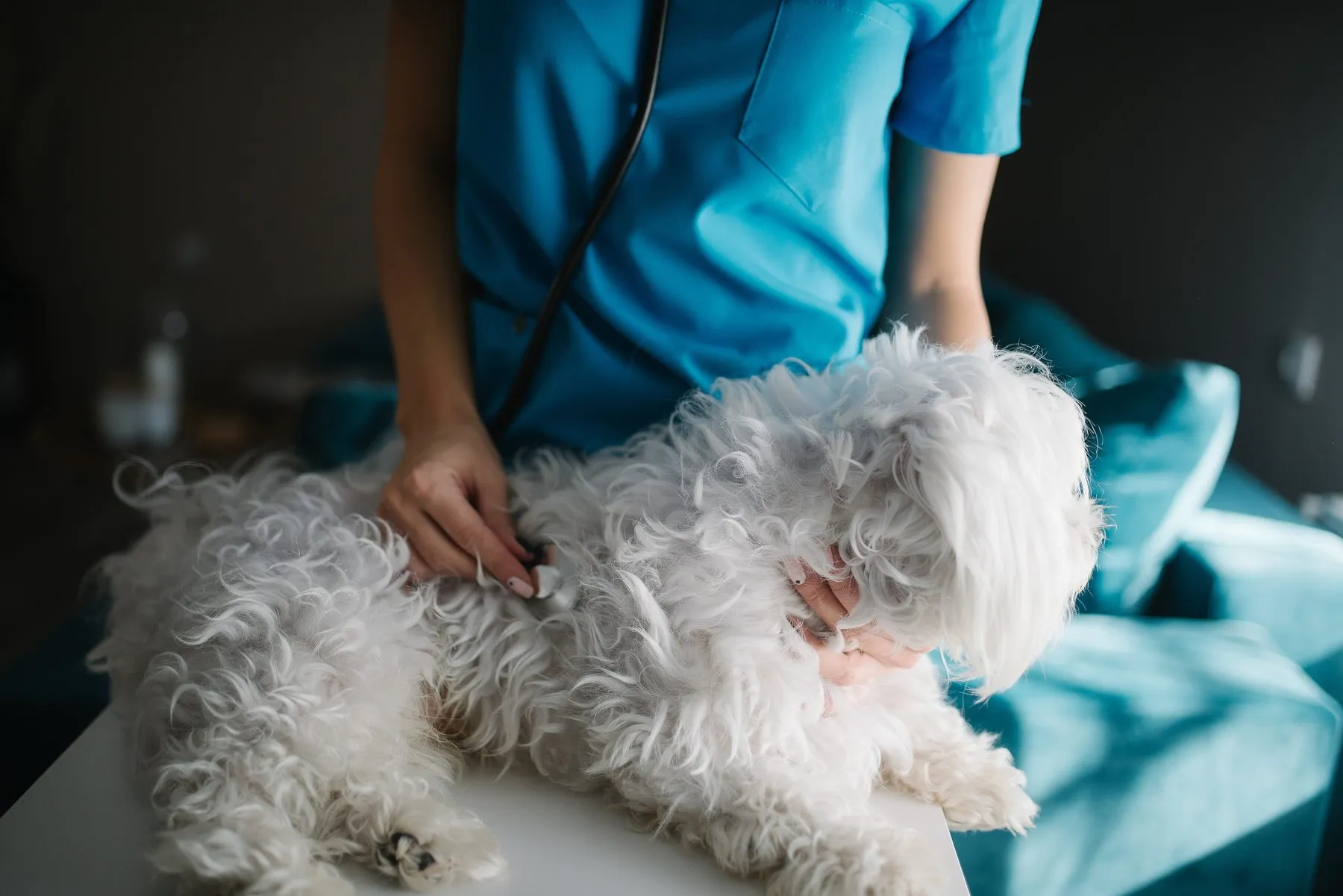
Your veterinarian cannot make the decision for you, but they can do something almost as valuable: they can tell you what your pet’s disease usually does next. Bring your log to the appointment, and ask directly:
- What will the coming weeks likely look like, and what signs would tell us the end is near?
- What can still be treated, and what would that treatment ask of my pet — hospital stays, daily injections, frequent car journeys?
- Is my pet in pain that we are not managing, and can we manage it better?
- Is there a risk of a sudden crisis, such as a bleed, a seizure, or difficulty breathing? What would we do if that happened at night?
- If this were your animal, what would you be watching for?
A good vet will welcome these questions. Many clinics offer dedicated quality-of-life consultations with more time than a normal appointment. Mobile vets can assess your pet at home, where anxiety doesn’t blur the picture. If you feel rushed or unheard, it is entirely reasonable to ask for a second opinion — this is a decision you will carry for a long time.
Palliative and hospice care
Sometimes the honest answer is “not yet, but soon.” Veterinary hospice and palliative care focus on comfort rather than cure: stronger pain relief, anti-nausea medication, appetite support, soft bedding, ramps, and help with hygiene. It can give you weeks of good time together — and it also gives you a structure for noticing when comfort can no longer be maintained.
A gift, given a little early
Most veterinarians will tell you the same quiet thing: families almost never regret choosing goodbye a week too early — but many carry the weight of having waited a week too long, or of a last day spent in an emergency clinic in the middle of the night.
Euthanasia, when the road ahead holds only decline, is not giving up. It is the last act of care available to you: the choice to take the pain into your own heart so it no longer has to live in theirs. Choosing a calm day, while your pet can still enjoy a favourite meal or a moment in the sun, is not stealing time from them. It is giving them an ending that looks like their life did.
What actually happens
Fear of the unknown makes everything harder, so it helps to know the steps. Procedures vary a little by country and clinic, but most follow this pattern:
- Paperwork first. You will usually sign a consent form and discuss aftercare and payment in advance, so nothing practical interrupts the goodbye. Ask whether you can settle everything before the appointment.
- Sedation. Most vets give a sedative injection first. Over a few minutes your pet becomes deeply relaxed and drowsy, often to the point of unconsciousness. This is a good moment for quiet words and stroking.
- The final injection. The vet gives an overdose of an anaesthetic, usually into a vein, sometimes through a small catheter placed in a leg. Within a minute or two the heart stops. It is peaceful.
- Confirmation. The vet listens for a heartbeat and tells you when your pet has died. You can stay as long as you need.
A few things surprise people and are completely normal: the eyes usually stay open; there may be a small muscle twitch or one or two reflex breaths after death; the bladder or bowels may release. None of these mean your pet is aware or in pain. Knowing about them beforehand prevents a frightening memory.
At home or at the clinic?
Home euthanasia, offered by mobile vets in many areas, spares an anxious or immobile animal the car journey and the smells of the clinic, and lets other pets and family members be present in familiar surroundings. It usually costs more and needs to be booked ahead. A clinic appointment can be made gentler too: ask for the last appointment of the day, a quiet room, a side door, and a blanket from home. You can search our directory of pet end-of-life services for mobile vets and aftercare providers in your country.
Preparing your family — and yourself
Children deserve honesty in words they can understand. Avoid “put to sleep” with young children, who may become afraid of sleep; say that the vet will help their pet’s body stop working because it is very ill and cannot get better. Give older children the choice to be present, to say goodbye beforehand, or to see their pet afterwards — and respect whatever they choose.
Other pets may benefit from seeing or sniffing their companion’s body afterwards. Many owners find the surviving animal searches less if it has had the chance to understand.
For yourself, plan the day as much as you are able. Take photos of the ordinary things while you still can — the worn spot on the sofa, the bowl, the leash by the door. Make a paw print. Offer a favourite food if your vet says it’s safe. Say the things out loud. Arrange for someone to drive you home, and clear the following day if you can.
Decide on aftercare before the day
The hardest moment to make practical decisions is right after your pet has died. A few minutes of thought in advance spares you that:
- Burial or cremation? Home burial is legal in some places and restricted in others; pet cemeteries offer permanent plots.
- Private or communal cremation? Private cremation returns your pet’s ashes to you; communal does not. Our guide to understanding pet cremation explains the options and the questions to ask a provider.
- Keepsakes. A clay paw print, a clipping of fur, or the collar are easiest to arrange before or at the appointment.
- Who collects your pet, and when? Many crematoria collect from the clinic or your home.
Guilt is love, misfiled
If you decide it is time, guilt will probably visit anyway. Let it come, and let it leave. Guilt after this decision is not evidence you did something wrong — it is evidence you loved deeply and took on a responsibility that hurt. Your pet never counted days the way we do. They knew warmth, food, your hands, your voice. If those were present at the end, then the end was good.

In the weeks that follow, be as patient with yourself as you were with them. Our guide to grieving a pet covers what normal grief looks like and when to ask for support, and if it helps, you can create a memorial — a quiet, permanent page for the friend you were brave enough to let go.
When the day comes, if you are able, stay in the room. Your voice is the sound they trust most in the world.
This guide offers general information, not veterinary advice. Please talk to your veterinarian about your pet’s specific situation.




.jpg)

.jpg)